

Delivery Truck Accidents in Bridgeport and the Risks Behind Local Routes
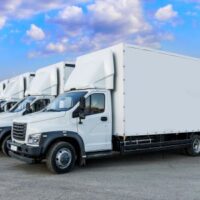
Delivery trucks have become a constant presence on Bridgeport streets. Package vans move through residential neighborhoods, box trucks stop outside businesses and apartment buildings, and commercial vehicles deliver food, furniture, building materials, and other goods throughout the day. Frequent stops and tight routes place these vehicles in traffic situations that ordinary drivers encounter far less often.
A collision can happen while a driver backs toward a loading area, pulls away from the curb, crosses a bike lane, makes a wide turn, or squeezes into a parking space near traffic. The business behind the delivery can also become important when its schedule, vehicle, or relationship with the driver contributed to what happened. Working with an experienced Bridgeport truck accident lawyer can help identify how the delivery route and the company behind it contributed to the crash.
Frequent Stops Create Hazards Along Bridgeport Streets
Delivery work requires drivers to enter and leave traffic repeatedly. A single route can include homes, apartment buildings, restaurants, stores, offices, and commercial properties, sometimes with only a few minutes between stops.
Curbside movements create many of the risks. A delivery van can block part of a travel lane while the driver searches for an address. A box truck can obstruct a pedestrian’s view of approaching traffic. Pulling away from a parking space can place the truck directly in the path of a cyclist, motorcyclist, or passing car. Backing becomes especially dangerous where parked vehicles, landscaping, or building corners limit visibility.
Bridgeport’s dense neighborhoods and commercial corridors often leave little margin for an unsafe maneuver. A driver focused on the next stop can miss someone already moving through the space beside or behind the truck.
Rushed Delivery Schedules Can Affect Driving
Local delivery work often runs on strict timing. Drivers can be expected to complete numerous stops, stay within delivery windows, respond to route changes, and continue moving through congestion. Falling behind can create pressure to make up time.
That pressure can influence ordinary driving decisions. A driver rushing between stops might follow traffic too closely, roll through a stop sign, change lanes abruptly, or pull away before checking the roadway. Navigation screens and delivery software can add another distraction when attention shifts away from surrounding traffic.
The pace of the route can often be reconstructed later. Delivery timestamps, GPS history, completed-stop data, and dispatch messages can show how quickly the driver was moving from one location to the next and how the day was progressing before the collision.
The Delivery Company Can Share Responsibility for the Crash
Responsibility for a delivery truck accident can extend beyond the driver. The company that owns the vehicle, employs the driver, controls the route, or directs the work can become part of the claim depending on the relationship involved.
Connecticut General Statutes § 52-183 addresses crashes involving a vehicle operated by someone other than its owner. In a civil action against the owner for negligent or reckless operation, the law creates a presumption that the driver was acting as the owner’s agent and within the course of employment, subject to rebuttal by the owner.
For a company-owned delivery truck, employment records, vehicle assignments, work schedules, and dispatch information can help establish what the driver was doing at the time of the crash. The relationship becomes more complicated when a separate contractor or delivery company supplies the driver.
Contractor Arrangements Can Complicate Insurance Coverage
The name or logo on a delivery vehicle does not always identify the company that owns the truck or employs the driver. Some delivery routes use company employees and fleet vehicles. Others rely on independent delivery businesses, contractors, leased trucks, or drivers working under separate commercial arrangements.
Insurance often follows those relationships. The vehicle may carry one commercial auto policy while the delivery contractor or another business carries additional coverage. A dispute can develop over which company employed the driver or which policy covered the delivery in progress.
Someone injured in the crash can be caught between carriers pointing toward one another. Identifying the business relationships behind the vehicle is often necessary before the available insurance becomes clear.
Delivery Technology Can Reconstruct the Route
Modern delivery work creates detailed electronic information. Navigation software, handheld scanners, delivery applications, onboard cameras, and GPS tracking can place the truck at particular locations throughout the day.
A scan can establish when a package was delivered shortly before the crash. GPS information can show the truck’s movement between stops. Camera footage can capture a backing maneuver, traffic conditions, or the seconds leading to impact. Messages between the driver and dispatcher can also establish changes to the assigned route.
Nearby homes and businesses can provide additional proof. Doorbell cameras and surveillance systems are particularly useful after crashes on neighborhood streets or near commercial entrances where no public traffic camera recorded the collision.
Delivery Truck Crashes Can Cause Serious Injuries at Low Speeds
Highway speed is not required for a delivery truck to cause severe injuries. Box trucks and commercial vans are heavier than many passenger vehicles, and pedestrians, cyclists, and motorcyclists have little protection from their size.
A delivery vehicle backing through a parking area can knock a pedestrian to the pavement. A wide turn can trap a cyclist or motorcyclist beside the truck. A sideswipe or rear-end collision can leave occupants of a smaller vehicle with fractures, head injuries, spinal injuries, or internal trauma.
Recovery can involve surgery, rehabilitation, time away from work, and lasting changes in mobility or daily routines. The seriousness of the injuries can be out of proportion to how ordinary the delivery maneuver looked before the crash.
Delivery Records and Video Can Disappear Quickly
Important information after a delivery truck crash often exists outside the police report. Camera systems overwrite footage, delivery data changes as the route continues, and a damaged vehicle can be repaired and returned to service. Witnesses who saw the truck backing, blocking a lane, or pulling away from the curb can also become difficult to locate.
Preserving the route information and available video early can help establish what the driver was doing in the minutes before the collision. Vehicle photographs, delivery timestamps, onboard footage, nearby surveillance, and dispatch information can capture details that will not be visible weeks later.
When questions arise about the delivery route, the company behind the driver, or the insurance available after the crash, guidance from a Bridgeport truck accident lawyer can help preserve the information needed to connect those issues to what happened on the road.
Contact Riley Law, LLC
If you were injured in a delivery truck accident in Bridgeport, you may be facing medical treatment, missed work, and uncertainty about which company or insurer is responsible. Crashes involving delivery vans and box trucks can become complicated quickly when multiple businesses, contractors, and commercial insurance policies are involved.
Riley Law, LLC helps people in Bridgeport and throughout Connecticut after serious truck and commercial vehicle accidents. Contact Riley Law, LLC today to speak with an experienced Bridgeport truck accident lawyer and learn how we can help you pursue full compensation for the injuries and losses caused by a delivery truck crash.
Source:
- Connecticut General Assembly, Connecticut General Statutes § 52-183 — Presumption of Agency in Motor Vehicle Operation
cga.ct.gov/current/pub/chap_899.htm#sec_52-183