

When License Plate Reader Data Leads to a Criminal Charge in Bridgeport
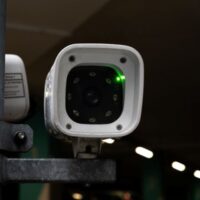
License plate readers have become another way for police to connect vehicles to criminal investigations in Bridgeport. A scan can place a plate near a robbery, identify a car reported stolen, or flag a vehicle associated with an outstanding warrant. That information may draw immediate attention to the vehicle, but it leaves harder questions unanswered about the people inside it.
A plate reader records the vehicle, not necessarily the person behind the wheel or what any occupant knew. When police begin building a criminal accusation from that initial hit, working with an experienced Bridgeport criminal defense lawyer can help challenge the leap from a vehicle captured by a camera to a charge against a particular person.
Why a Plate Reader Hit Can Draw Police Attention
Automatic license plate recognition systems use cameras and software to capture plate numbers and compare them with law enforcement databases or designated hot lists. Connecticut’s Police Officer Standards and Training Council model policy addresses uses involving stolen vehicles, stolen plates, wanted vehicles, outstanding warrants, and active criminal investigations.
A hit can quickly draw attention to a passing vehicle or give detectives another lead in an existing case. Officers may receive an alert while traveling through Bridgeport, while investigators working a robbery or other offense may search stored plate information to determine whether a vehicle appeared in a particular area.
The strength of that lead depends on the reason for the alert and how accurately the system identified the vehicle. A plate-reader hit can narrow where police look next, but it is only the starting point for whatever follows.
A Vehicle Location Is Not the Same as Driver Identification
Cars are regularly driven by people other than their registered owners. Family members share vehicles. Friends borrow cars. Employees use company vehicles. Rental vehicles pass through many drivers over short periods of time.
Problems arise when police begin with a plate number and later treat the registered owner as the likely driver. An image showing the plate, make, model, and color of a vehicle still may not show the face of the person behind the wheel or identify the passengers.
Warrant alerts raise another identification problem. A vehicle associated with someone who has an outstanding warrant does not establish that the wanted person is behind the wheel when the camera captures the plate. Identification still depends on what officers actually know when they locate the vehicle.
Stolen Vehicle Cases Can Turn on What the Driver Knew
A stolen vehicle alert can bring an immediate police response, but finding someone behind the wheel does not settle what that person knew about the car. Knowledge becomes especially important when the vehicle has passed through several people before the stop.
Someone who borrowed a vehicle may give a very different account from someone found in a car with a damaged ignition, altered plate, or other circumstances suggesting awareness that it had been stolen. The condition of the car, how it was obtained, statements made before or during the stop, and the relationship between the driver and the owner can all shape that issue.
Finding the stolen car answers where the vehicle was found, not whether the driver knew it had been stolen.
Firearms Found Inside a Vehicle Raise a Separate Possession Issue
A plate-reader alert may bring officers to a vehicle for one reason and lead to a firearm charge for another. Police might stop a car based on a stolen-vehicle alert, warrant entry, or investigative lead and later find a gun during the encounter.
A gun found in a shared vehicle does not automatically belong to the driver or the nearest passenger. The issue becomes more complicated when several people are inside the car or when multiple people regularly use it.
Where the firearm was located, who could reach it, and what happened during the stop can all affect a possession allegation. A gun under a seat, inside a console, or elsewhere in the passenger compartment may raise questions that are separate from whatever first caused police to stop the vehicle.
Robbery and Drug Cases Require More Than a Vehicle Near the Scene
Investigators may turn to license plate reader records after receiving a partial plate number or vehicle description connected to a robbery. Similar searches can occur during drug investigations when police are trying to trace a vehicle seen near a suspected transaction or another location under investigation.
A scan near the scene can narrow the vehicles police want to examine, but proximity alone does not establish participation in the crime. A car traveling along a Bridgeport street near the time of a robbery may have been passing through for an unrelated reason. The same is true when a vehicle appears near a location associated with suspected drug activity.
Timing and route can change how much weight the scan carries. A record several blocks away or well before the offense may fit ordinary travel more readily than the criminal activity investigators are trying to reconstruct.
An ALPR Alert Should Be Confirmed Before Police Rely on It
Plate-reader systems are not immune from error. A camera can misread a character, identify the wrong state, or generate an alert that no longer reflects the current status of the vehicle.
Connecticut’s POSTC model policy directs officers to confirm that an ALPR alert remains active before taking additional enforcement action when circumstances allow. The policy also calls for visual confirmation that the plate and other vehicle characteristics match and for verification through appropriate law enforcement databases.
Those safeguards can matter when the alert leads directly to a stop. A stale stolen-vehicle entry, mismatched plate, or incorrect vehicle description can change the factual basis that first brought officers to the car. What happened between the automated alert and the decision to stop the vehicle deserves separate attention.
Connecticut Added New Limits on ALPR Use in 2026
Connecticut adopted new restrictions on automated license plate reader systems through Public Act 26-14, with relevant provisions taking effect October 1, 2026. The law limits the purposes for which public agencies and law enforcement may use ALPR systems and stored data.
Permitted law enforcement uses include active criminal investigations supported by reasonable suspicion, locating people with outstanding warrants, recovering stolen vehicles, and other specified public-safety purposes. The law also establishes a general 21-day retention period for ALPR data, with longer preservation allowed under certain circumstances involving an active investigation or prosecution.
Historical searches raise a different set of questions. An older scan may have been collected days before investigators searched for the plate, making the date of collection, reason for access, and retention period part of how the vehicle entered the case. Careful review by an experienced Bridgeport criminal defense lawyer can help trace how stored ALPR information was used and challenge conclusions that extend beyond what the record actually establishes.
Contact Riley Law, LLC
If license plate reader information contributed to a traffic stop, search, arrest, or criminal charge, the existence of an ALPR hit does not determine the outcome of the case. The accuracy of the alert, the identity of the driver, and the connection between the vehicle and the alleged crime can affect how much weight the information carries.
Riley Law, LLC, represents people facing criminal charges in Bridgeport and throughout Connecticut. Contact Riley Law today to speak with an experienced Bridgeport criminal defense lawyer and learn how we can challenge the use of license plate reader information and defend against criminal charges under Connecticut law.
Sources:
- Connecticut Police Officer Standards and Training Council, Automatic License Plate Readers Model Policy
portal.ct.gov/-/media/post/_files/postc-lpr-model-policy-22426-final.pdf - Connecticut General Assembly, Public Act 26-14, Automated License Plate Reader Systems
ga.ct.gov/2026/act/pa/pdf/2026PA-00014-R00SB-00397-PA.pdf - Connecticut General Assembly, Office of Legislative Research, Public Act 26-14 Summary
cga.ct.gov/2026/sum/pdf/2026SUM00014-R02SB-00397-SUM.pdf