

Who Is Responsible for Truck Accidents Near Bridgeport’s Industrial Waterfront?
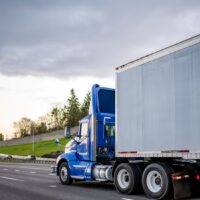
Bridgeport’s waterfront is more than a shoreline. Commercial and industrial activity around Bridgeport Harbor and nearby waterfront areas brings large trucks onto streets shared with passenger vehicles, motorcycles, cyclists, and pedestrians. Tractor-trailers and other commercial vehicles travel between industrial properties, loading areas, local roads, and connections to I-95, Route 8, and Route 25.
A serious crash can happen as a truck leaves a commercial property, crosses traffic to reach an entrance, or moves between a loading area and a public street. More than one business may have played a role before the truck reached that point. Working with an experienced Bridgeport truck accident lawyer can help determine how the driver, transportation company, facility operator, or contractor contributed to the circumstances leading to the collision.
Trucks Entering and Leaving Industrial Properties Create Unique Risks
Industrial entrances bring large commercial vehicles directly into ordinary Bridgeport traffic. A tractor-trailer leaving a waterfront facility needs enough time and space to clear the driveway, enter the roadway, and bring the trailer fully into the lane. Trucks entering a property can slow abruptly or cross opposing traffic while waiting for access to a gate or loading area.
Limited visibility can make these movements more dangerous. A driver pulling out from behind parked trailers, fencing, equipment, or other obstructions may have difficulty seeing approaching traffic. Drivers on the public road may have little warning that a truck is about to emerge from the property.
The location itself can become significant after a crash. The width of the entrance, sight distance, gate placement, and available space between the property and the travel lanes can help explain how the truck entered traffic and how much time approaching motorists had to react.
Wide Turns Can Trap Vehicles Beside a Truck
Once a large truck is moving through traffic, turning geometry creates a separate danger. A tractor-trailer making a right turn often needs to start farther from the curb to create enough room for the trailer. A nearby motorist may see the open space and continue forward just as the trailer begins tracking inward.
Left turns present a different problem. The truck may need substantial time to cross opposing lanes, leaving the tractor and trailer exposed while the maneuver is completed. A driver who starts the turn without enough clearance can put an approaching vehicle directly in the truck’s path.
Vehicle position, lane width, trailer tracking, and the point of impact can help reconstruct these crashes. A sideswipe near the trailer wheels tells a different story from a collision with a truck stretched across opposing traffic, and the turning movement should be evaluated accordingly.
Transportation Companies Can Shape the Trip Before It Reaches Bridgeport
The motor carrier or transportation company often controls decisions made well before the driver approaches the waterfront. It may choose the driver, assign the load, provide the vehicle, set the delivery schedule, and give route instructions.
A driver unfamiliar with an industrial entrance may need additional preparation before navigating a difficult approach. Tight delivery windows can also place pressure on a driver arriving late or trying to reach a facility before loading operations close. Training and dispatch decisions become especially relevant when the route involves large vehicles moving through confined urban areas.
Dispatch communications, driver assignments, training records, and delivery schedules can show how the company prepared for the trip. They can also reveal problems that began away from the crash scene but influenced the driver’s decisions on the road.
Facility Operators May Control the Conditions at the Gate
Responsibility can extend to the industrial property when the facility controls conditions that affect truck movement. Some facilities designate particular entrances, assign loading docks, stage trucks while they wait, or direct drivers toward a specific exit.
Poorly positioned trailers or equipment can block sightlines near a gate. Congested staging areas can force trucks into awkward backing movements. An employee directing traffic may send a driver through an entrance that leaves little room to clear the roadway safely.
The facility’s role depends on its actual control over the property and truck movement. A business that directs vehicles through its gate or creates a hazardous entrance condition has a different connection to the crash than a company that simply happens to receive the shipment.
Contractors Can Be Responsible for Their Own Part of the Freight Operation
Industrial freight often involves businesses beyond the motor carrier and facility operator. Contractors may load cargo, maintain trucks or trailers, move equipment around the yard, or manage portions of the loading operation.
Their potential responsibility follows the work they performed. Improperly loaded cargo can affect stability once the truck begins moving. Faulty maintenance can leave the driver with unsafe equipment. A yard contractor that positions trailers or machinery near an exit can obstruct the driver’s view of traffic.
Contracts, repair records, loading documents, and work orders can identify who handled those tasks. The company name displayed on the truck may represent only one part of a larger commercial operation.
Waterfront Properties Can Preserve a Detailed Record of the Crash
Industrial sites often generate information that does not exist after an ordinary roadside collision. Security cameras may cover gates, loading areas, driveways, and parking lots. Electronic gate systems can record the truck’s arrival and departure. Shipping documents may identify the load, destination, and assigned dock.
Information from the truck can fill in the movement outside the facility. GPS data and onboard cameras may show its approach to the property or departure onto nearby streets. Dispatch communications can place the driver’s actions within the timing of the delivery.
The physical site can add another layer. Photographs of the driveway, sightlines, lighting, lane markings, parked equipment, and damage can preserve conditions that help explain the collision without duplicating the records held by the companies involved.
Waterfront Evidence Can Change or Disappear After the Crash
Industrial waterfront properties rarely remain unchanged for long. Trucks leave, trailers move, equipment is repositioned, and temporary obstructions disappear as normal operations continue. Security footage may also be overwritten before its significance is recognized.
The commercial vehicle can return to service, and the people working at the facility may move on to other shifts or assignments. Early attention to available video, gate information, vehicle data, and the condition of the entrance can preserve a clearer picture of what existed at the time of the crash.
Guidance from a Bridgeport truck accident lawyer can help identify the businesses connected to the freight operation and preserve the information needed to determine how each one contributed to the collision.
Contact Riley Law, LLC
If you were injured in a commercial truck accident near Bridgeport’s industrial waterfront, the crash may involve more than a single driver or transportation company. Facility operations, contractors, truck movements, and commercial property conditions can all shape how the collision occurred.
Riley Law, LLC helps people in Bridgeport and throughout Connecticut after serious truck and commercial vehicle accidents. Contact Riley Law, LLC today to speak with an experienced Bridgeport truck accident lawyer and learn how we can help identify the responsible parties and pursue full compensation for your injuries and losses.
Sources:
- Connecticut Port Authority, Port of Bridgeport Fact Sheet
https://ctportauthority.com/wp-content/uploads/2017/10/CPA_B_FactSheet.pdf - City of Bridgeport, South End Neighborhood Revitalization Zone Plan
https://www.bridgeportct.gov/sites/default/files/2023-04/01012014_Planning_SouthEnd_NRZ_Plan_Approved_modified_2022.pdf - Connecticut Department of Motor Vehicles, Commercial Driver’s License Manual
https://portal.ct.gov/dmv/-/media/dmv/cdl-driver-manual-with-mod-11-and-12-ver-11-20-2024.pdf - Connecticut Department of Transportation, Through Trucks and Prohibitions
https://portal.ct.gov/dot/osta/through-trucks-and-prohibitions